Roof Certification Defined and What It Confirms
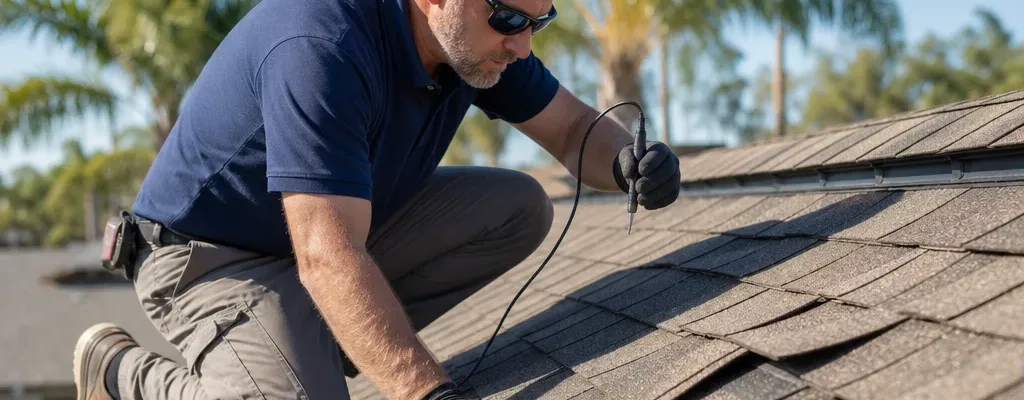
A Roof Certification is a close look at your roof by a licensed inspector, written up in a report your insurance company can read. It covers the roof's current condition and how much useful life it likely has left, and it answers one main question: is this roof in good enough shape for the insurer to cover it? Insurance companies use it to decide whether to write or keep a policy on a home with an older roof. If the report is clear and accurate, it can help you keep coverage or get a policy written. If it's vague, your insurer may ask for more, or decide on its own. It isn't a warranty, and it doesn't promise the roof won't leak.
Most folks get asked for one when a roof has some age on it. That can happen when you buy a home, switch insurance companies, or come up for renewal. It doesn't mean anyone thinks your roof is bad. It means the insurer wants proof before they take on the risk.
A roof certification typically confirms these things:
- What the roof is made of, such as asphalt shingle, metal, tile, or a low-slope roof on an addition or porch.
- About how old the roof is, based on permit records, paperwork you have, and the roof's condition.
- An estimate of how many years of useful life it has left. This is often the number your insurer cares about most.
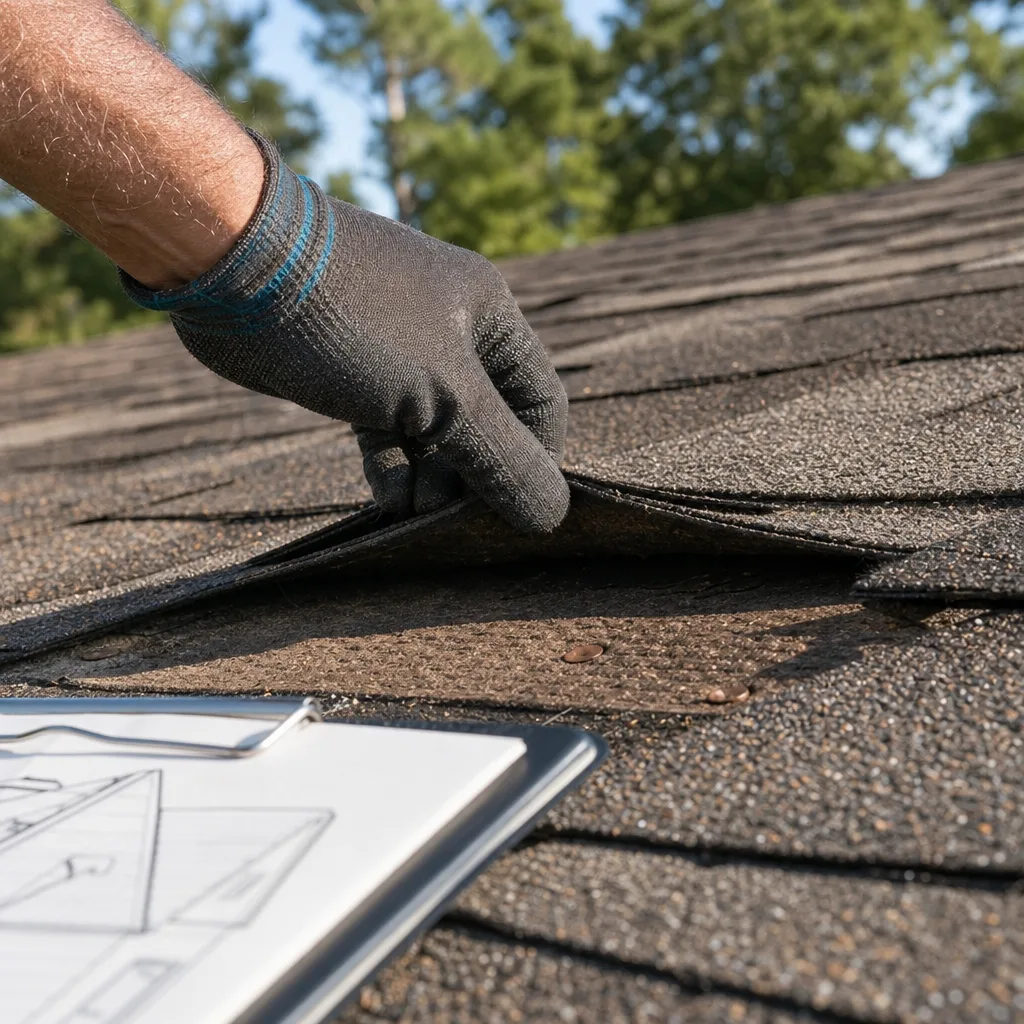
- Any damage you can see, like missing or lifted shingles, worn spots where the granules have washed off, cracked or loose flashing (the metal strips around vents, chimneys, and walls), and soft spots.
- Signs of leaks you can see from inside, like water stains on the ceiling or in the attic.
- Past repairs, and whether they look like they were done right.
Here's what it doesn't do. It doesn't guarantee your roof won't leak next month, and it doesn't see under every shingle. An inspector reports what can be seen and reached safely on the day of the visit. Anyone who promises more than that is selling you something.
It also isn't the same as two other insurance inspections. A 4-point inspection checks the roof, electrical, plumbing, and HVAC together so your insurer can decide on the whole house. A wind mitigation inspection looks at features that help your home hold up in high wind, which can lower your premium. Your insurer may ask for one, two, or all three.
In Citrus County, roofs take a beating from strong sun, heavy summer rain, and storm season. A roof can look fine from the driveway and still have problems up close. Jamie spent many years in residential and commercial construction before he started inspecting homes, so we know how a roof should be built and what water does once it gets past one. JD Inspections is a Florida licensed home inspector, license HI9000. We'll tell you plainly what's normal wear and what your insurer is likely to flag.
Roof Certification vs. 4-Point and Wind Mitigation Inspections
These three reports get mixed up all the time, and it's easy to see why. They all go to your insurance company, and they all look at your roof in some way. Each one answers a different question for the insurer, though. If you know which question they're asking, you'll know which report to order.
- Roof certification: How much life does this roof have left? The insurer uses it to decide whether to cover an older roof at all.
- 4-point inspection: Are the four big systems in the house in safe, working shape? The roof is one of four parts, not the whole story.
- Wind mitigation inspection: How well is this house built to stand up to high wind? This one usually doesn't decide whether you get covered. It helps decide what you pay.
The overlap is where people get tripped up. A 4-point does include the roof, but it's a quick snapshot of the roof next to the electrical, plumbing, and HVAC. When a roof has some age on it, some insurers want more than that snapshot. They want the deeper look and the remaining-life estimate that a roof certification gives them. A wind mitigation report also notes things about your roof, like how the roof deck is fastened and how the roof is tied to the walls. It doesn't judge wear or say how many years the roof has left. So a good wind mit report won't stand in for a roof certification, and a roof certification won't earn you wind discounts.
Here's how it often plays out. Say you're buying an older home in Inverness and your insurance agent asks for a 4-point and a wind mitigation report before closing. The 4-point shows the roof is getting up there in years. Now the insurer comes back and asks for a roof certification too, and your closing date hasn't moved. If you ask your agent up front whether the roof's age might trigger that request, you can line it up early instead of scrambling at the end.
There's also a Third Nail Retrofit Inspection. It confirms that a third nail was added to the metal clips that tie your roof to your walls, so that work can count toward your wind mitigation credits. Most folks only need it after that work has been done.
Our honest advice is simple. Before you book anything, look at the letter or email from your insurer, or call your agent. Ask for the exact name of the inspection they want and the date they need it by. Don't pay for a report nobody asked for. If they want more than one, ask the inspector whether they can all be handled on the same trip. You'll save yourself time, and you'll have everything your insurer needs before the deadline.
Who Needs a Roof Certification Right Now
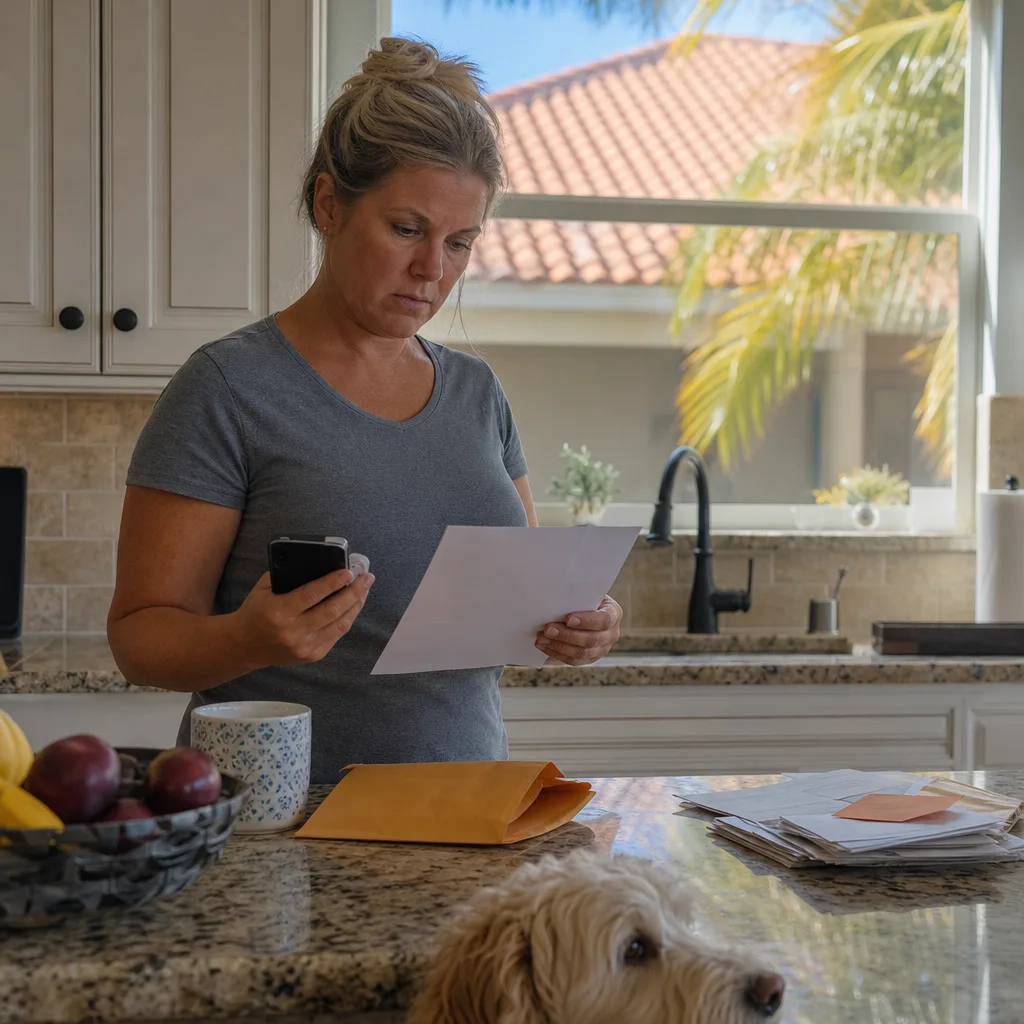
The short answer is that you need a roof certification when someone who decides your coverage asks for one. That's usually your insurance company or your agent. Most people don't wake up and order this report for fun. It shows up as a line in a letter, an email from an agent, or a checklist from a lender before closing.
Here's who should book one now:
- You got a renewal notice or a letter from your insurer asking about your roof's condition or remaining life, and it has a deadline on it.
- You're buying a home, and the insurer looked at the 4-point or the roof's age and asked for more before they'll write the policy.
- You're switching insurance companies with an older roof, and the new company wants proof the roof is sound before they take you on.
- Your agent has told you the roof's age is close to the line your insurer uses. Every company sets its own cutoff, and it can change by roof type, so ask your agent what applies to you.
If you're buying from out of state, pay extra attention to the timing. You may be juggling movers, a lender, and a closing date from hundreds of miles away. Ask your agent early whether the roof might trigger this request. It's a lot easier to schedule the inspection now than to find out a few days before closing that the insurer won't bind the policy without it.
Now the honest part. Plenty of people don't need one, and we'd rather you keep your money.
- Nobody asked. If your insurer hasn't requested it, don't buy one just to feel safe. Call your agent first and find out what they want.
- Your roof is fairly new and you have the paperwork. A permit record or the roofer's invoice showing when it went on may be all your insurer needs. Ask before you book.
- You already know the roof needs replacing. If it's curling, missing shingles, or leaking in more than one spot, the report will just put that in writing for your insurer. Get roofing quotes first. A newer roof may solve the insurance problem on its own.
- You have an active leak you haven't fixed yet. The report records what's there on the day of the visit. Get the repair done first so the report shows the roof as it really stands.
One more thing to know going in. A roof certification is about the roof. It won't tell you whether the house sits over a sinkhole, and it won't judge the foundation. If those are your worries in Citrus County, that's a separate conversation with the right kind of specialist.
If you're not sure which group you're in, look at what your insurer sent you. If it names a roof certification and gives a date, you need one, and sooner is better. If it doesn't, a five-minute call to your agent will tell you whether to book now, wait, or skip it.
What Happens During the Inspection and What You Receive
Most of what makes this go smoothly happens before the inspector shows up. A little prep keeps the visit short and the report complete.
Here's what helps to have ready:
- The letter or email from your insurer. It shows exactly what they asked for and when it's due. Some insurers send their own form, so pass that along too.
- Any roof paperwork you have, like the roofer's invoice, a permit number, or the seller's disclosure. These help pin down the roof's age, and age is a big part of what your insurer wants to know.
- A clear path to the attic access. That often means moving boxes out of a closet or the garage.
- Pets put away, and the gate unlocked if the inspector needs to walk around the side of the house.
If you're buying, the seller usually has to handle access. Ask your real estate agent to set that up so nobody gets turned away at the door.
On the day of the inspection, the inspector looks at the roof from the outside first. That means the surface, the edges, the flashing, and anything poking through the roof, like vents and pipes. The roof gets walked when it's safe to do so. A steep pitch, a wet surface, or a fragile material like tile can change how close anyone can safely get. Then the inspector goes inside. The attic is where a lot of the truth shows up. Daylight coming through the decking, dark stains on the wood, or damp insulation can tell you more than the shingles do. Ceilings under the roof get checked for stains too.
You don't have to be there for the whole visit, but it helps to be around at the end if you can. That's your chance to ask questions while everything is fresh.
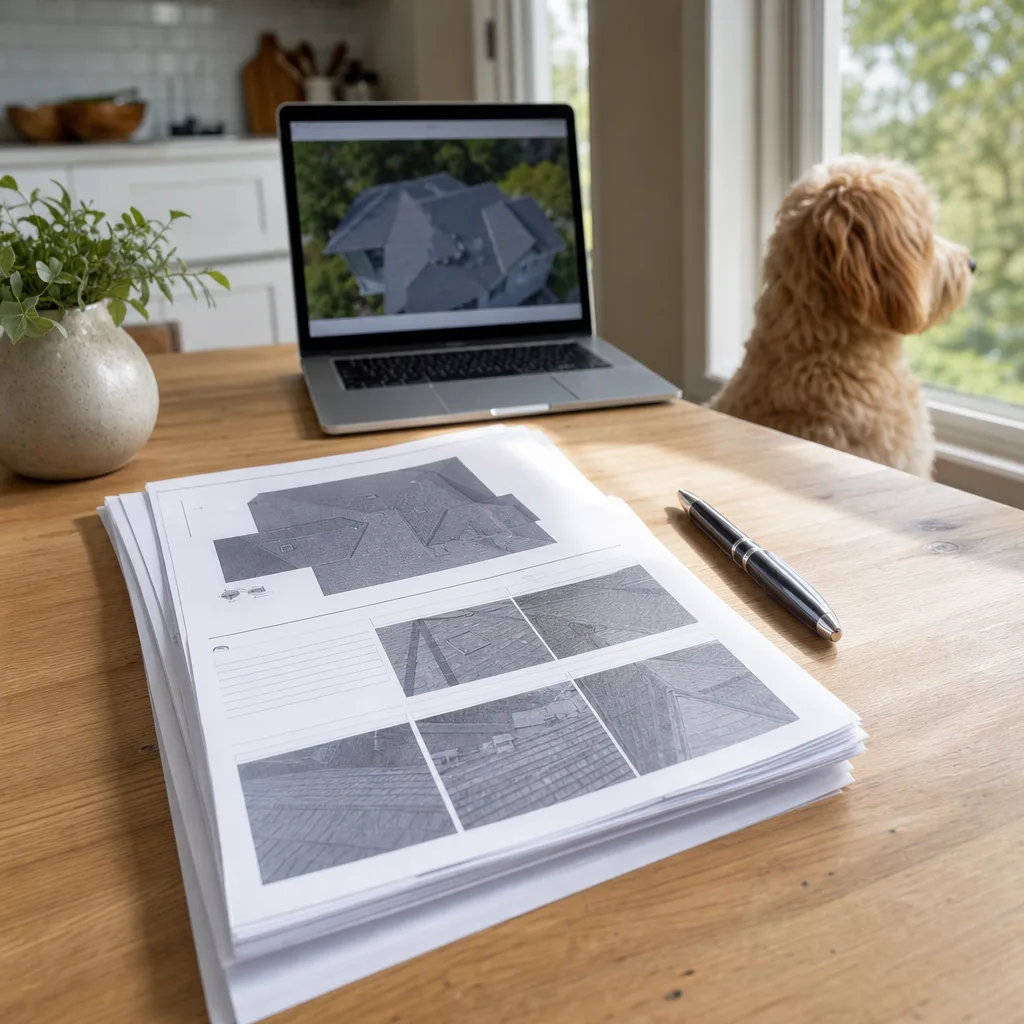
What you get afterward is a written report your insurer can read and act on. It usually includes photos of the roof and attic, the roof covering type, the estimated age, and the estimated remaining life. If your insurer sent a specific form, the findings go on that form. You're the one who sends the report to your agent or insurer, so check the deadline and get it to them with time to spare.
What if the report flags a problem? It's not the end of the road. Small issues, like a few lifted shingles or a cracked boot around a vent pipe, can often be repaired. Ask your insurer whether they'll accept proof of the repair, like photos and an invoice, or whether they want an updated inspection. If the roof is near the end of its life, the report gives you a clear starting point for roofing quotes. It also gives you something solid to bring to the table if you're still negotiating a purchase.
Either way, you'll know exactly where your roof stands. That beats guessing while a deadline creeps closer. With Jamie's many years in construction behind us, we'll tell you plainly which findings your insurer is likely to care about and which ones are just normal wear on a Citrus County roof.
Why the Inspector's License Matters for an Accepted Certification
A roof certification is only worth something if your insurance company accepts it. A big part of whether they do comes down to one line on the report: who signed it, and what license they hold.
Insurers don't just read the findings. They look at the signature and the license number, and many of them check that license before they act on the report. Their forms often spell out which kinds of licensed professionals can sign. If the person who signed isn't on that list, or the license has lapsed, the insurer can send the report back. Then you're paying for a second inspection, and your deadline is still the same.
That's the part that hurts. A rejected report doesn't stop the clock. If you're two weeks from a renewal date or a closing, losing a week to a report that didn't count can put your coverage or your purchase at risk. Getting it right the first time is the whole point of the job.
You can check any Florida home inspector's license yourself. The state licenses home inspectors through the Florida Department of Business and Professional Regulation, and it has a free online lookup. Type in the name or license number, and you'll see whether the license is active. It takes about two minutes, and you should do it with anyone you're thinking of hiring. That includes us. Our license number is HI9000, so go ahead and look it up.
Before you book with anyone, ask these questions:
- What's your license number, and will it be printed on the report? If they won't give it to you, move on.
- Is your license active right now? Don't take their word for it. Check the state lookup.
- Can you sign the form my insurer sent? Read the form first so you know who it says can sign.
- Do you also want to do the repair or sell me a new roof? That isn't always a problem, but you should know if the person judging the roof has something to gain from bad news.
That last question matters more than people think. An honest report sometimes says the roof has a few good years left, and sometimes it says the roof is done. Either way, you want it written by someone whose only job that day is telling you the truth about what's up there.
Your agent can help here too. If you're not sure your insurer will take a report from a certain kind of professional, call and ask before the inspection, not after. Agents field this question all the time, and a quick answer can save you a second trip up the ladder.
This is especially important if you're buying from out of state and can't meet anyone in person. You may be hiring someone you found online and talked to once on the phone. A license number you can check yourself gives you something solid to go on when you can't size someone up face to face.
Frequently Asked Questions
Do I need a permit before I get a roof certification in Inverness?
No. A roof certification looks at the roof you already have, so no permit is needed for the inspection. A roof replacement in Florida generally needs a building permit, and if your roof has been replaced, that permit record helps show its age on the report.
Can you handle my roof certification and a full home inspection?
Yes. We do full home inspections for buyers as well as roof certification, 4-point, wind mitigation and third nail retrofit inspections. If you need more than one, ask about scheduling them on the same visit.
How do I know a roof inspector is trustworthy?
Start with the license. Florida home inspectors are licensed through the state, and you can look up any license number in a couple of minutes, including ours, HI9000. Then ask about their experience with homes like yours and read their reviews.
How do I know if I need a Roof Certification instead of a 4-Point Inspection?
You likely need a Roof Certification if your electrical, plumbing, and HVAC are newer but your roof is older. This inspection covers only the roof. A 4-Point Inspection bundles the roof with three other systems. Ask your agent or lender which one they requested in writing.