
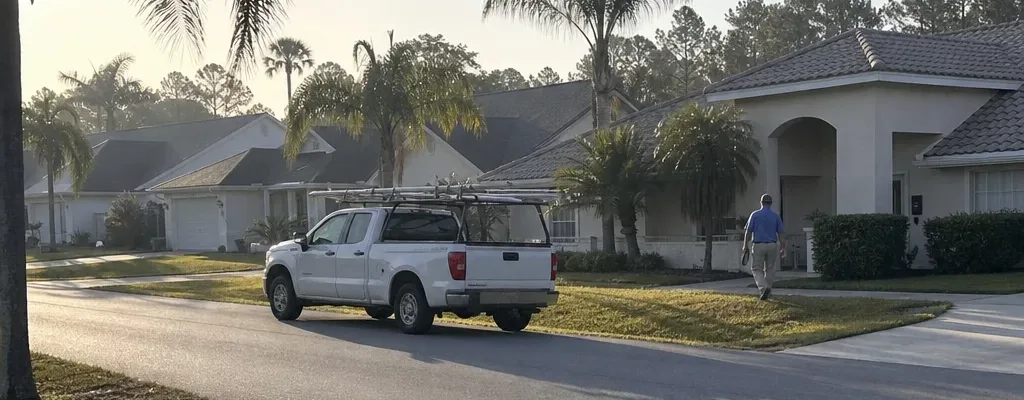
What a Home Inspection Covers
A home inspection is a full visual look at the house you're buying, from the roof down to the parts of the foundation we can see. It's for you, the buyer, not for your insurance company or your lender. The goal is simple: you should know what you're buying before your inspection period runs out.
We look at the readily accessible parts of the home on the day of the visit. Florida sets standards of practice for licensed home inspectors, and every inspection we do is under a written pre-inspection agreement that spells out exactly what's included. In general, we look at:
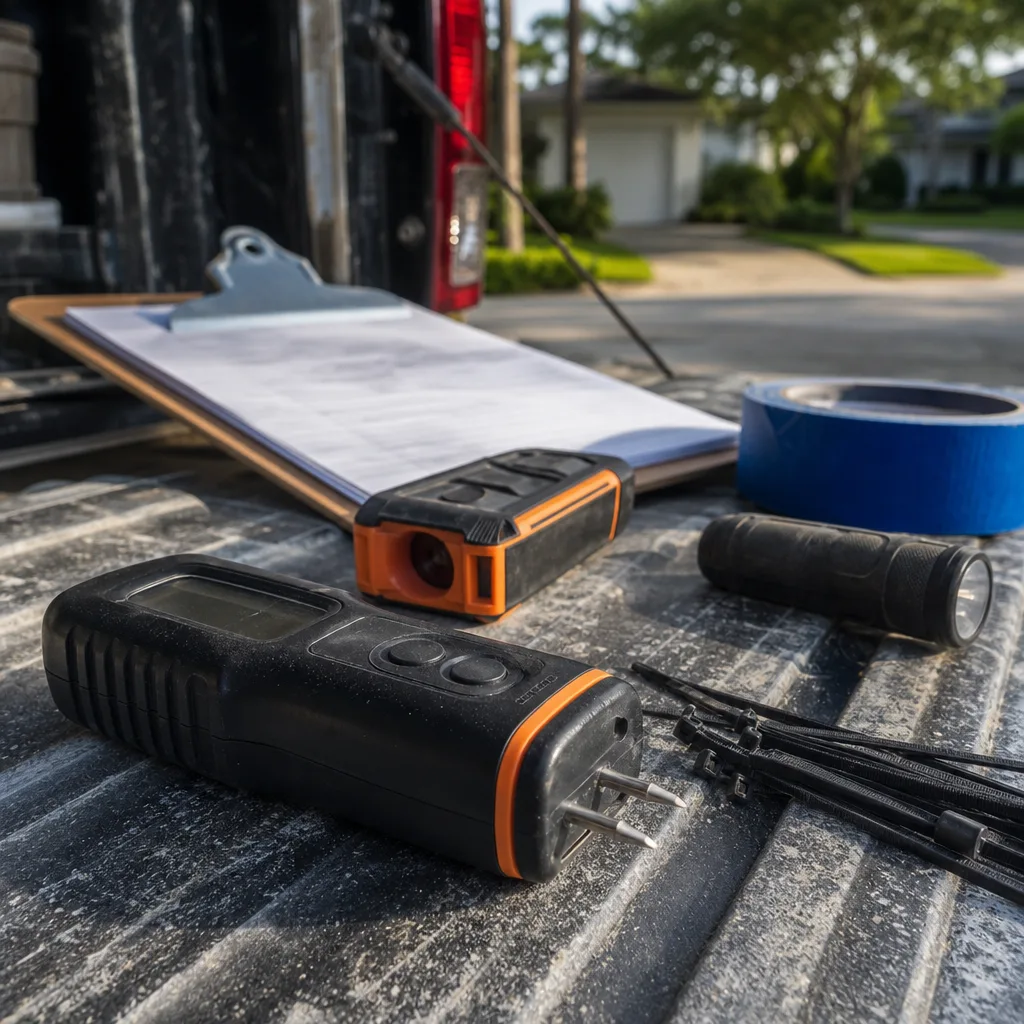
- Roof: the covering, flashing, gutters, and signs of leaks or storm damage.
- Attic and insulation: the framing, ventilation, insulation, and signs of moisture or pests.
- Structure: the foundation, walls, and framing we can see, and signs of settling or cracking.
- Exterior: siding or stucco, windows and doors, grading and drainage around the house, and any porches, decks, or lanais.
- Electrical: the service panel, breakers, wiring types, and outlets.
- Plumbing: supply and drain pipes, fixtures, the water heater, and any leaks we can see.
- Heating and cooling: whether the system runs, its approximate age, and its general condition.
- Interior: walls, ceilings, floors, stairs, doors, and built-in kitchen appliances.
Here's what a home inspection doesn't do. It's a visual inspection, so we don't open walls, pull up flooring, or move furniture. It isn't a code inspection, and it isn't a warranty. It also doesn't evaluate sinkholes, test for mold, or replace a wood-destroying organism (termite) inspection, which in Florida is done by a licensed pest control company. If we see something that needs a closer look, we'll tell you what kind of specialist to call.
Jamie spent many years in residential and commercial construction before he started inspecting homes in 2015. That background helps us tell the difference between normal wear for a house that age and a problem you'll want handled before closing.
Why a Home Inspection Matters When Buying in Citrus County
Every house has a story, and the listing photos don't tell all of it. A fresh coat of paint can cover a ceiling stain. A new kitchen can sit under an old roof. A home inspection gives you the full picture while you still have options.
Florida weather is hard on houses. Strong sun wears down roofs, summer storms test flashing and gutters, and year-round humidity keeps air conditioners working hard and gives any leak a chance to grow. Those are the things we watch closely in homes around Inverness, Hernando, Floral City, Crystal River, Homosassa, Lecanto, and Beverly Hills.
A few local details are worth knowing before you buy:
- Older homes. Plenty of homes in established neighborhoods were built decades ago. Original wiring, older plumbing, and aging roofs come up often, and they matter for both your budget and your insurance.
- Wells and septic systems. Homes outside city water and sewer service often have a private well and a septic system. We note what we can see, but the well water and septic system usually need their own testing or inspection.
- Sinkholes. Citrus County buyers ask about sinkholes a lot, and it's a fair question. We can note cracks or signs of settling we see, but a home inspection can't tell you what's under the ground. That takes a different kind of specialist.
- Insurance. If the home is older, your insurer will likely ask for a 4-Point Inspection, and it may want a Wind Mitigation Inspection too. We do both, and we can line them up with your home inspection.
If you're moving to Citrus County from out of state, you may not be able to make it to the inspection. That's okay. We'll call you and walk you through the findings so you understand what the report says.
Home Inspection vs. Insurance Inspections
People often assume a home inspection covers what their insurer needs. It usually doesn't. Each report answers a different question.

- Home inspection: What am I really buying? It's for you, and it covers much more of the house.
- 4-Point Inspection: Will the insurance company cover this house? It looks at the age and condition of the roof, electrical, plumbing, and HVAC on the insurer's form.
- Wind Mitigation Inspection: How much should the policy cost? It documents features that help the house hold up in high wind, which can earn discounts.
- Roof Certification: How much life does the roof have left? Some insurers ask for it on older roofs.
Your insurance company usually won't accept a home inspection report in place of a 4-point or wind mitigation form. Insurers want their own forms, filled out their own way. We do all of these, so you can get your home inspection and your insurance inspections from one company and schedule them together.
Ask your insurance agent early which reports they need, by name, and when they need them. That answer tells us what to line up for you.
What Happens During the Inspection and What You Receive
A little prep before the visit keeps things moving and makes the report more complete.
- Check your inspection period. Many Florida purchase contracts give the buyer a set number of days to finish inspections, so book as soon as your contract is signed. Your real estate agent can tell you your deadline.
- Make sure the utilities are on. Water, power, and gas, if the home has it, need to be on so we can test the systems.
- Ask your agent to arrange access. The seller usually handles access, including the attic, the electrical panel, the garage, and any locked gates.
- Gather what you have. The seller's disclosure and any permits or receipts for roof, AC, or other updates help us understand the house.
On the day of the inspection, we start outside with the roof, the exterior, and the grading around the house. Then we go into the attic and work through the inside room by room, running the systems as we go. You're welcome to come. If you can be there toward the end, it's a good time to ask questions while everything is fresh.
Afterward, you get a written report with photos that explains what we found in plain language. We'll go over which items are safety concerns, which need repair, and which are normal wear for a house that age, so you can decide what to do next.
What to Do If the Inspection Finds a Problem
First, don't panic. Almost every inspection finds something, even on newer homes. The report is a tool to help you decide what to do next.
- Sort the findings. Safety issues and big-ticket items, like an active roof leak, an electrical hazard, or an AC that doesn't run, matter most. Small items, like a loose doorknob or a dripping faucet, are normal maintenance.
- Get repair estimates. For bigger items, a licensed contractor can tell you what the fix will cost. Try to do this before your inspection period ends.
- Talk with your agent about your options. Depending on your contract, you may be able to ask the seller to make repairs, lower the price, or give you a credit. Your real estate agent can tell you what makes sense under your contract.
- Think about insurance. An old roof, an older electrical panel, or certain pipe types can affect whether an insurer will write a policy. If we see something an insurer is likely to flag, we'll tell you, and a 4-Point Inspection can document it for them.
Finding a problem before closing is the whole point. It's a lot better to learn about an old roof or a tired AC now, while you can still negotiate, than after you own the house.
If you've served in the military or you're a veteran, thank you. Ask about our military and veteran discount when you call.
Frequently Asked Questions
How long does a home inspection take?
It depends on the size, age, and condition of the home. A smaller, newer home goes faster than a large older one with more to look at. We'll give you an idea of the timing when you schedule.
Do I need to be there during the home inspection?
You don't have to be, but you're welcome to come. If you can be there toward the end, it's a good time to ask questions. If you're buying from out of state, we'll call you and go over the findings.
Does a home inspection include the 4-Point and Wind Mitigation reports my insurer wants?
No. Those are separate reports on the insurer's forms. We do all of them, and you can schedule them together with your home inspection.
Does a home inspection check for sinkholes, mold, or termites?
No. We'll note cracks, water stains, or signs of pests we can see, but sinkhole testing, mold testing, and wood-destroying organism (termite) inspections are separate services done by other specialists.
Should I get a home inspection on a newer home?
Yes. Newer homes can still have problems, from roof flashing that wasn't sealed right to plumbing or electrical work that was rushed. A home inspection gives you a list to take back to the builder or seller while you still have time to ask for fixes.